“It’s the timelessness of it which is so remarkable” – King Charles III
History
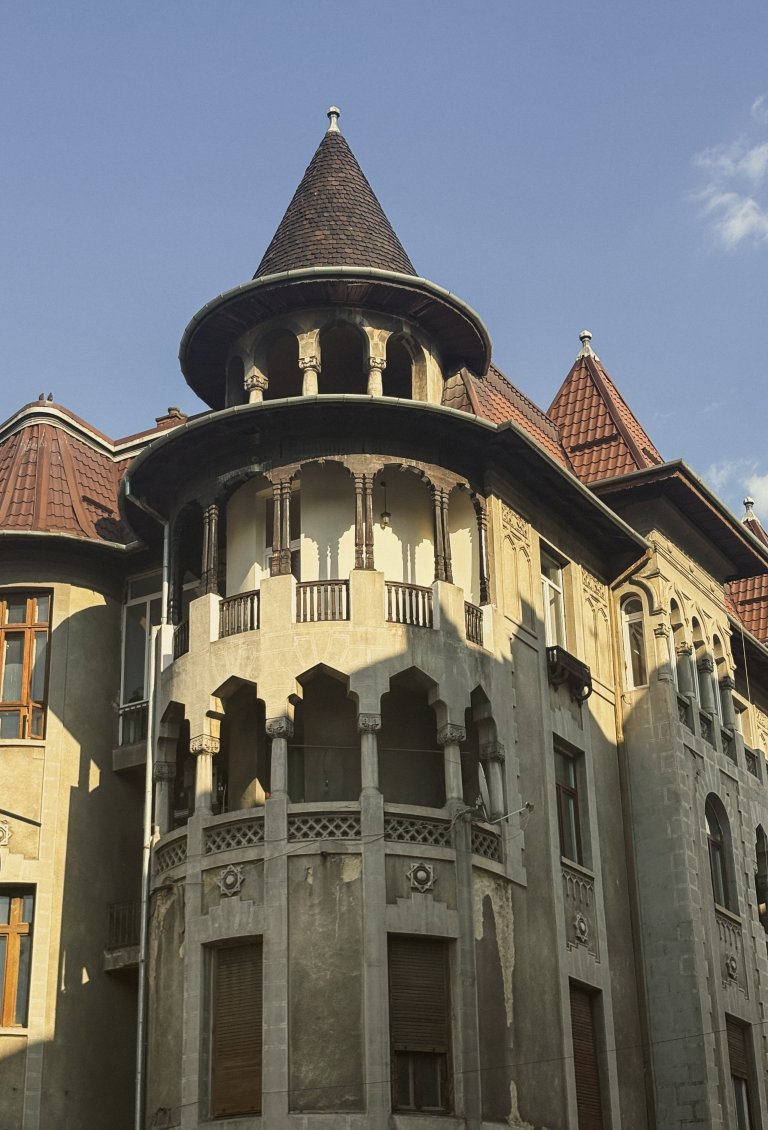
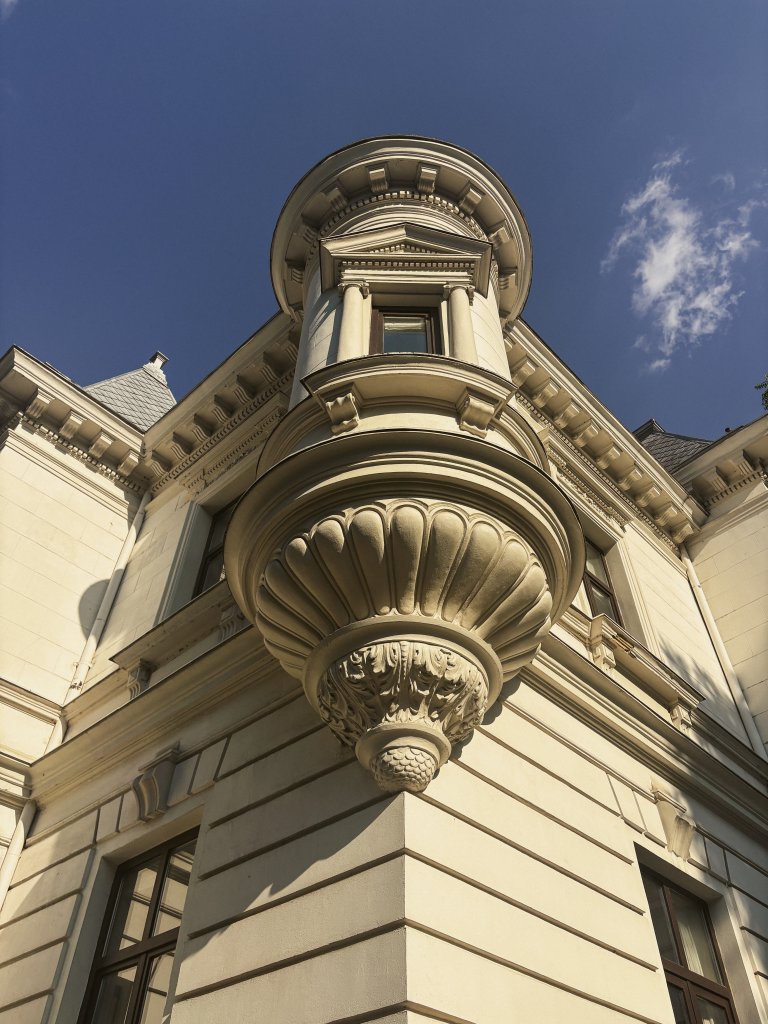
For many, Romania conjures images of medieval castles, Carpathian Mountains, dark forests and vampires. Yet beyond these stereotypes lies one of Europe’s most intriguing capitals. Sitting at the crossroads of East and West, Bucharest has spent centuries shaped by Ottoman, Balkan and Western European influences, creating a city whose history is written directly into its streets. Once known as the “Little Paris of the East”, its Belle Époque mansions and grand boulevards now sit alongside imposing communist architecture, Orthodox churches and traditional Romanian buildings, each pointing to a different chapter of the country’s past.
Atmosphere
For every elegant Belle Époque building that recalls its former nickname, there is a stark concrete block from the Communist era; for each grand boulevard and Parisian-style facade draped in greenery, there are Ottoman-influenced details, from arched porches to shaded terraces. The result is a place that feels both familiar and difficult to define; a concoction of Athens, Budapest and Paris, with an Eastern identity of its own.
Experience
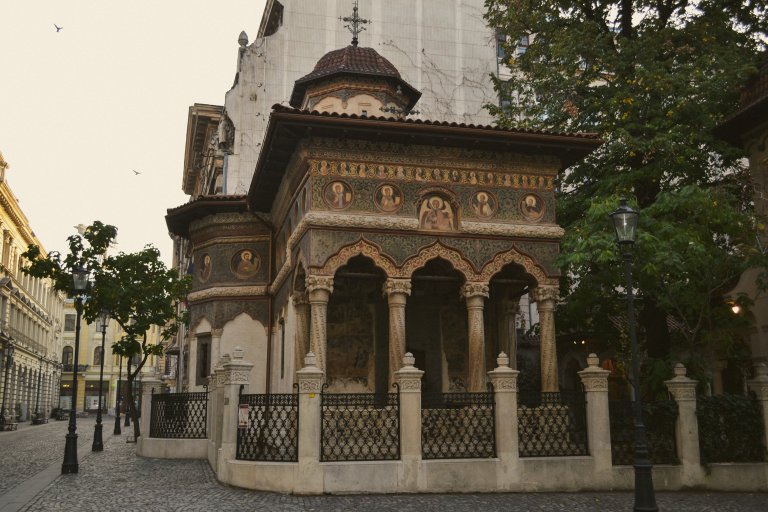
Unlike Europe’s more established capitals, the city feels refreshingly undiscovered, where heritage often takes precedence over high-end retail. A privately guided walking tour is an ideal introduction to the city’s history focusing mainly on its architecture. Wander past the former Hanul district near the National Bank, once a bustling hub for merchants travelling between East and West, before discovering landmarks such as the beautifully preserved Stavropoleos Monastery, a fine example of Brâncovenesc architecture.
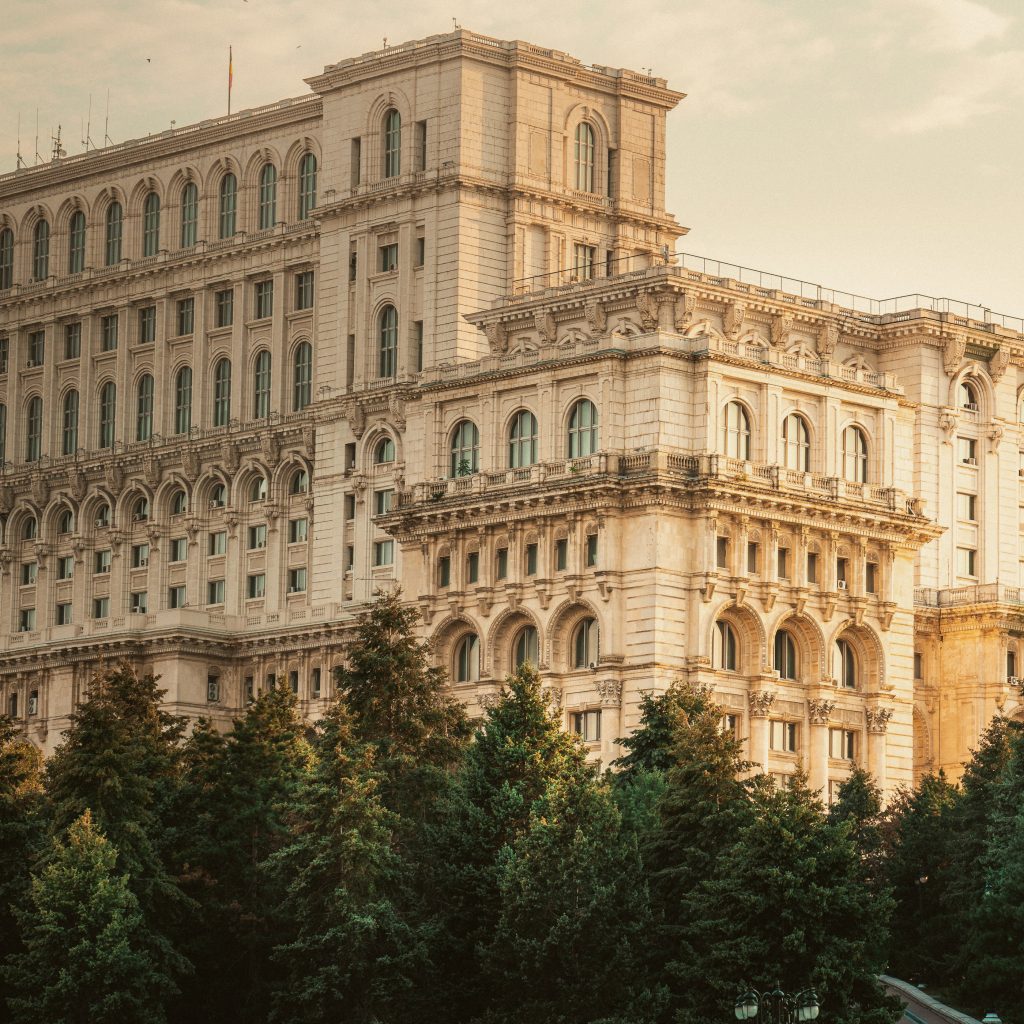
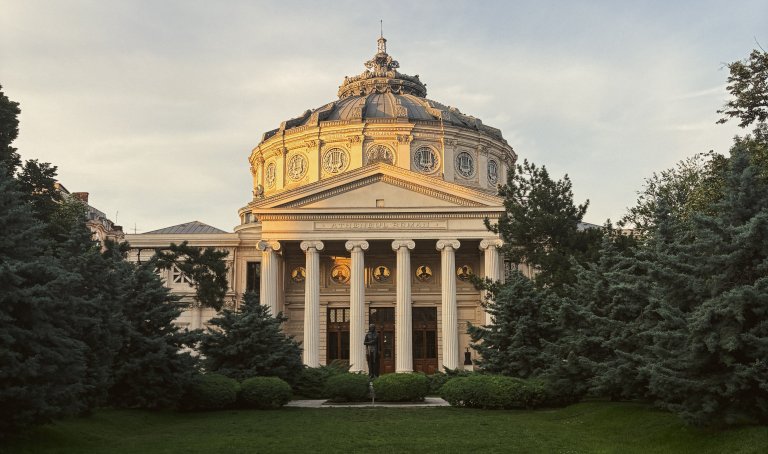
To understand Romania’s more recent past, a visit to the monumental Palace of Parliament is essential. Built under Nicolae Ceaușescu, it remains the second-largest administrative building in the world after the Pentagon, a staggering symbol of the country’s communist era. Those seeking a gentler pace should spend an evening at The Romanian Athenaeum, one of Europe’s most beautiful concert halls. Beyond the city, day trips to Via Domnului offer vineyard tours, wine tastings and long lunches among the rolling hills.
Food
Bucharest’s dining scene is composed of traditional Romanian recipes with an amalgamation of global influences and modern European techniques. Expect an abundance of pork dishes such as slǎninǎ to accompany pǎlincǎ, truffles, fish roe and sour cream dolloped in rustic soups. Expat chefs, mostly trained in Western European kitchens, have returned home and are reevaluating Romanian cuisine. Restaurants such as Kaiamo, NOUA and Kané are examples of this where regional dishes have been fashioned into contemporary fine dining menus.
Beyond the formal culinary scene, brunch at Arzu is the closest experience to that of London’s Ottolenghi, and institutions such as La Mița Biciclista are an obvious nod to Bucharest’s former French influence, not just architecturally but also through its menu. Buzzy cocktail bars like Teoria and the sleek and steely Bar Ton have become favourites among locals. While Sass at the recently restored Corinthia is ideal for a touch of the Monaco old-world glamour and a Mediterranean menu. JORJ also serves fresh Mediterranean dishes using a smokey Josper grill for a barbecued flavour.
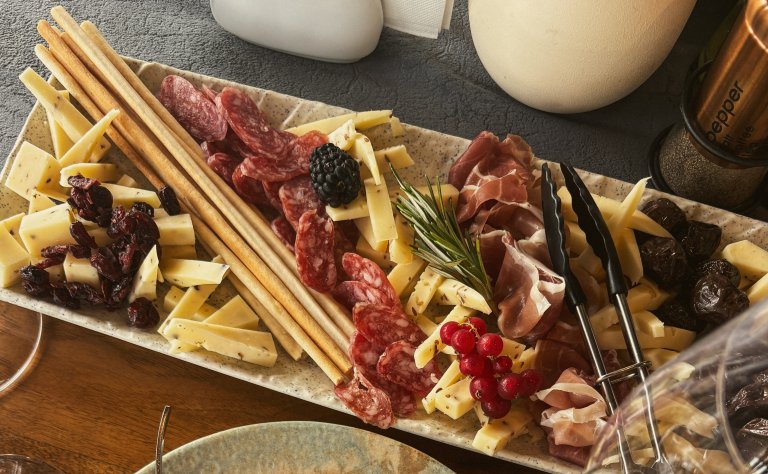
As the rare Fetească Regală and Fetească Neagră grape varieties are native to Romania, wineries are an easy day trip. Casa Timiş and Via Domnului are just an hours journey from the capital, where Carpathian black truffle infused cheeses are paired with the distinct fresh and fruity wines. Ultimately, Bucharest is a city where the gastronomy tells the same story as its architecture: respectful of its past and full of pleasant surprises.
Accommodation
Bucharest’s luxury hotel scene is still developing, but the existing properties are steeped in character and history. For those wanting to be at the centre of the city’s cultural and architectural landmarks, the InterContinental Athénée Palace remains one of the capital’s most iconic addresses. Occupying a prime position on Revolution Square, just steps from Calea Victoriei and the Romanian Athenaeum, the property has witnessed more than a century of Romanian history. In the years leading up to the Second World War it became one of Europe’s most notorious gathering places for diplomats, journalists and spies, a reputation that continued throughout the Cold War. During the communist era, it was also one of the few places in Bucharest where guests could enjoy a Pepsi, a hint of its unique status. Along Calea Victoriei, the newly restored Corinthia Bucharest offers a more intimate interpretation of luxury. Staying here ensures guests are within walking distance of the Old Town and the city’s growing collection of boutiques, restaurants and cocktail bars.
Closing
Bucharest is a destination to be discovered slowly. While it may not yet rival Europe’s established capitals, its authenticity, rich cultural heritage and emerging hospitality scene make it all the more rewarding. For travellers willing to look beyond Romania’s familiar stereotypes, Bucharest offers the rare opportunity to experience a sophisticated European capital that still feels genuinely undiscovered.
