“A beautiful, ancient kingdom between the mountains and the sea.” – Chef José Andrés
Atmosphere
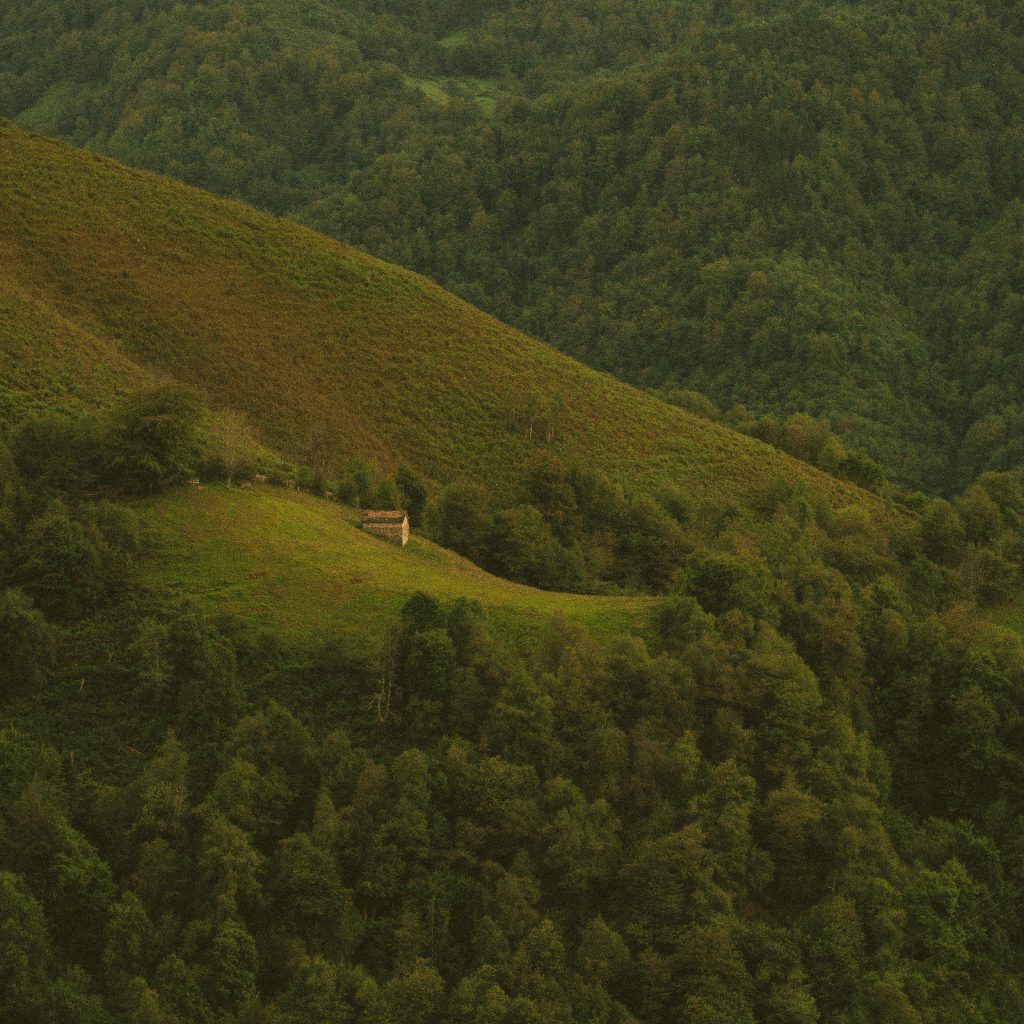
With a spirit closer to the Eastern Alps and the Cornish coast than to the sun-drenched Mediterranean beaches so often associated with Spain, the region carries a certain Celtic essence. The frequent mist and damp that permeate its forested green mountains might explain this character, or perhaps it is the constant tinkle of cowbells and birdsong heard through the thick fog. Its distinct identity may also stem from being the only part of the Iberian Peninsula never conquered by the Moors.
Experience
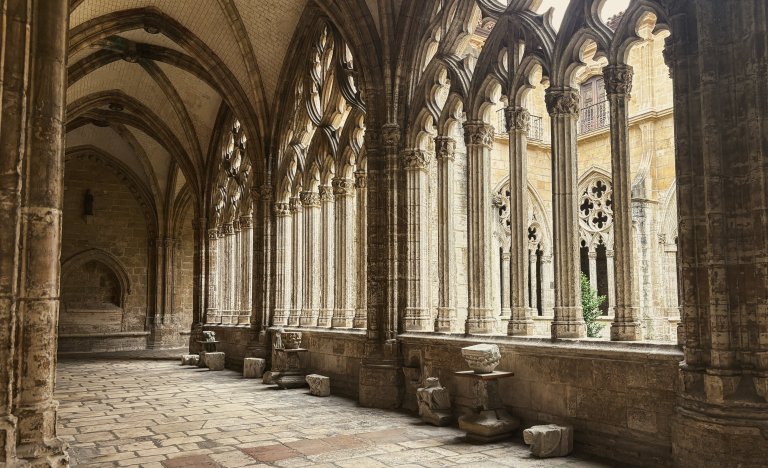
Asturias’ cities, Oviedo and Gijón, are polar opposites. Gijón is more youthful and beachy, with broad, open beaches and waves suitable for surfers of all abilities. Nearby is Avilés, home to the modernist Oscar Niemeyer International Cultural Centre, where visitors can see contemporary photography and performance art. Oviedo is more polished and marks the historic starting point of the Camino Primitivo, the oldest route of the Camino de Santiago, so keep an eye out for pilgrims visiting the Cathedral of San Salvador.
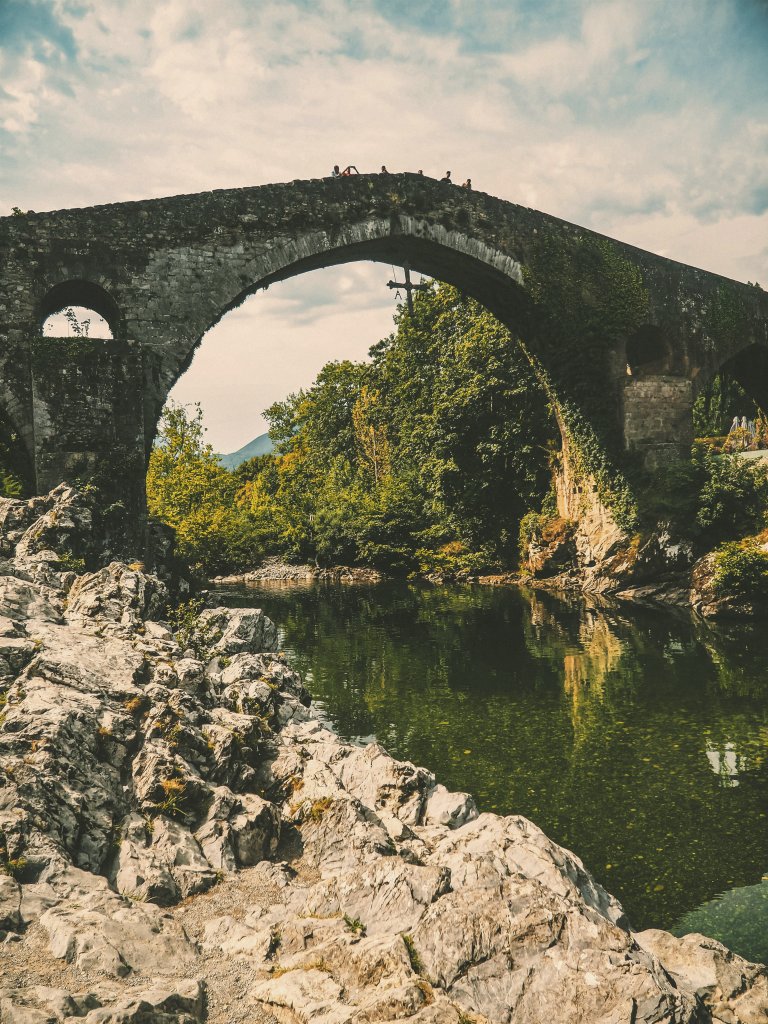
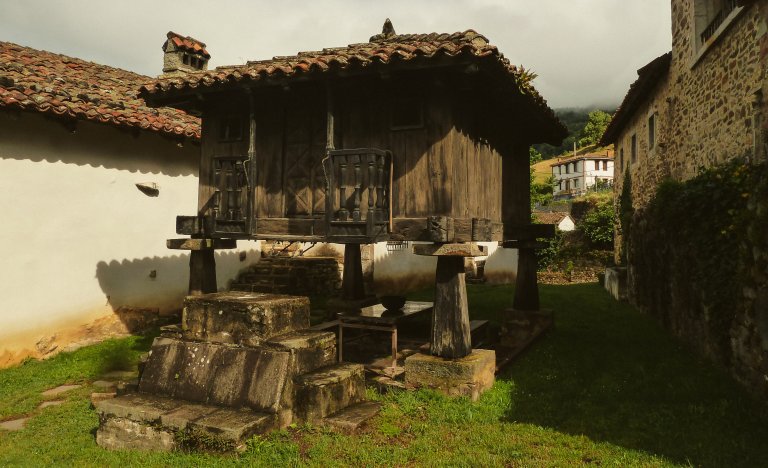
Although it is unusual to encounter a Spanish region with so little Moorish influence, traces of Asturias’ long history remain visible throughout its architecture. Cangas de Onís, the first capital of the Kingdom of Asturias, is home to the humpbacked bridge commonly known as the Roman Bridge, as well as the Hermitage of Santa Cruz. For pre-Romanesque architecture, visit Santa María del Naranco. The coastal towns of Colombres and Ribadesella illustrate the region’s Indiano chapter through their brightly coloured mansions. Distinctive granaries known as hórreos are scattered throughout its hamlets, villages and towns, often with husks of corn dangling from their sides. For a glimpse of Asturias’ ancient past, visit Castro de Coaña, the site of a pre-Roman settlement. Alternatively, visit the beach at Tazones, where Jurassic-era dinosaur footprints have been preserved, or see the Palaeolithic cave paintings inside the Cueva de Tito Bustillo.
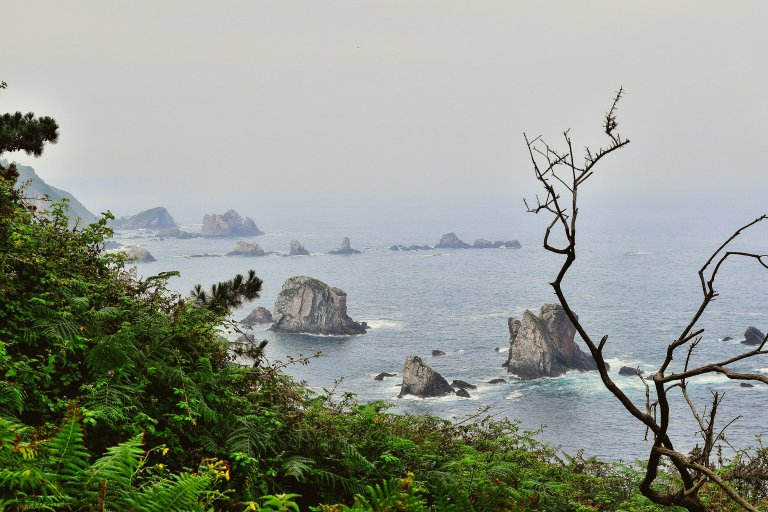
History aside, Asturias’ greatest treasure is its natural landscape. The Picos de Europa ask to be explored, with their glacial lakes and numerous hiking trails winding through the mountains and tunnels. Cantabrian brown bears inhabit the surrounding wilderness, while the Senda del Oso follows a former railway line through some of the region’s most dramatic scenery. The natural blowholes of the Bufones de Pría can be viewed from the coastal clifftops, while the coastline reveals, on average, a different beach or cove every two kilometres.
Food
Shaped by the offerings of the mountains and sea, Asturian cuisine is rustic and hearty, with occasional Basque influences. Some of the world’s finest anchovies are fished from the Cantabrian Sea. With up to 300 varieties of cheese, more than France, the region has been nicknamed the ‘Land of Cheeses’. Traditional dishes are simple and composed of relatively few ingredients.
Fabada Asturiana is the region’s best-known dish: a stew of white beans, chorizo, blood sausage and pork. Fabes con almejas offers a lighter alternative, replacing the meat with clams. As a cider-producing region, Asturias’ drink of choice is sidra, a naturally still apple cider. It is traditionally poured from a height to aerate it, then served in small measures intended to be drunk immediately. Cachopo, breaded veal fillets sandwiching ham and cheese, usually accompanied by patatas fritas, also appears on most menus.
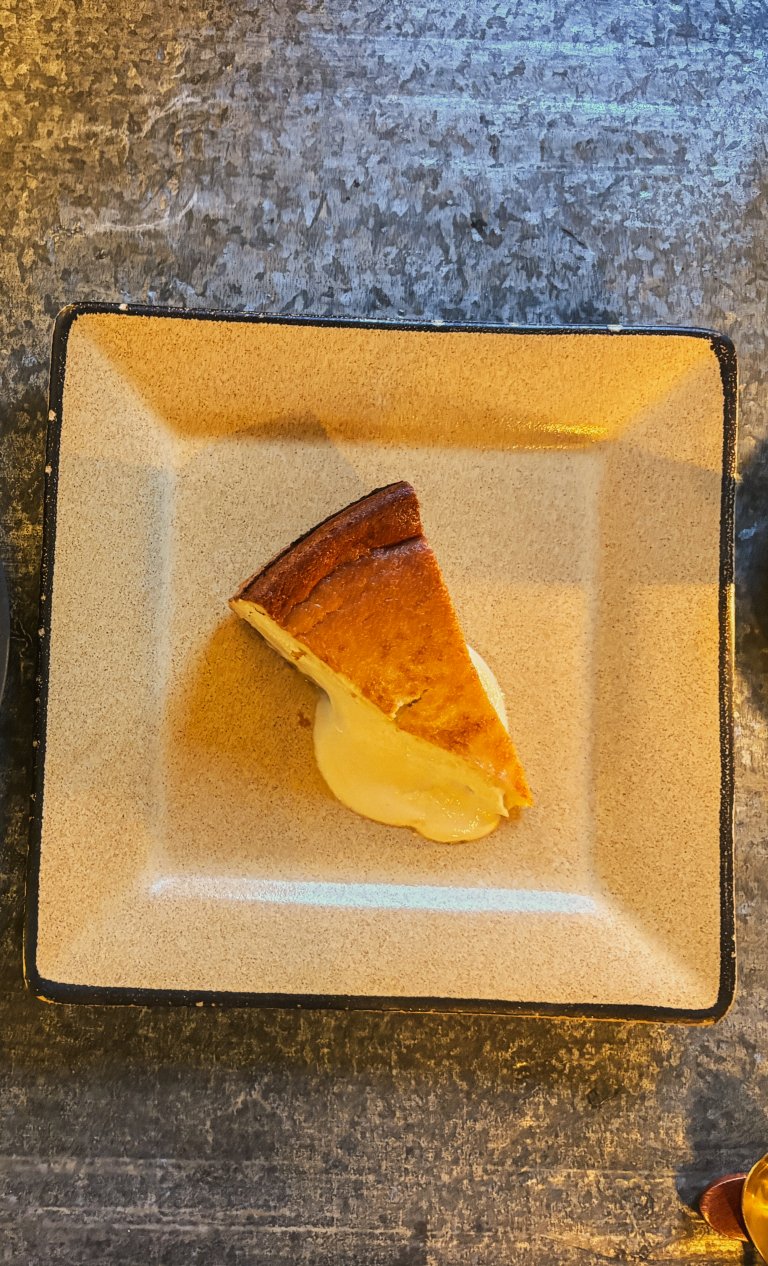
For more refined dining, Asturias boasts a high concentration of Michelin-starred restaurants. Monte, in San Feliz, offers a contemporary interpretation of rural classics. Its tasting menu, accompanied by either a wine or cider pairing, takes diners on a journey through the landscape by way of its ingredients. Casa Marcial occupies the former farmhouse in which chef Nacho Manzano’s parents once ran a rustic bar. It is now a three-Michelin-starred restaurant serving deceptively simple recipes that celebrate Asturian classics.
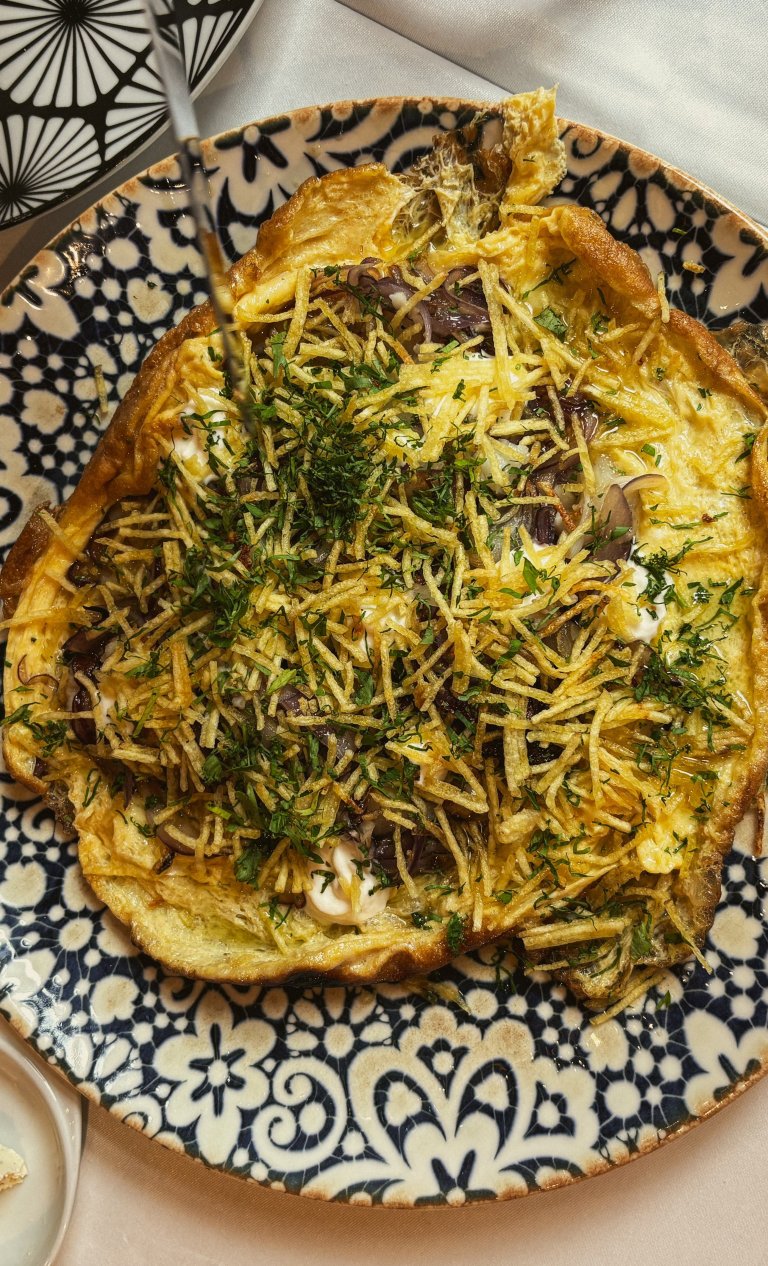
Along the coast, seaside towns harbour restaurants serving fresh, locally caught seafood. Asador Coríu in Cudillero combines elevated grilled meats and local seafood with Basque influences; its tortilla de bacalao and prawn-and-octopus risotto are particular highlights.
Accommodation
For those seeking an intimate and restorative experience, Solo Palacio is the natural choice. This 15th-century palace has been restored according to the principles of wabi-sabi, creating a cosy yet exquisite, design-led retreat. The rooms are pared back and intentionally devoid of televisions and writing desks, allowing guests to switch off completely and reconnect with the surrounding landscape. Dinner is curated by the team behind the nearby Michelin-starred restaurant Monte. Situated amid the mountains of Las Ubiñas, the property is ideally placed for exploring Asturias’ wealth of outdoor pursuits.
Puebloastur is better suited to those seeking a more polished, five-star hotel experience. Set within an ancient village, its rooms and suites feature floor-to-ceiling windows framing panoramic views across the mountainous Sueve Valley. For a coastal alternative, Palacio de Luces lies just a stone’s throw from the sea and provides an ideal base for discovering the region’s beaches, surfing and fishing.
Closing
Best suited to curious, nature-loving travellers, Asturias rewards a little adventurous spirit with ancient landscapes, misty mountains, exceptional food and the feeling of having discovered a corner of Spain that remains entirely its own. A Spanish phrasebook will prove useful for the occasional linguistic challenge, while a hire car is indispensable for exploring the region. This is a destination for those seeking cooler climes, restorative surroundings and a more elemental side of the Iberian Peninsula.
